

Full-Time Study and Work: How to Make It Work in 2025
Balancing a full-time job while pursuing your studies can feel like juggling fireballs, but millions of students manage it successfully in 2025. With job burnout at 66%, it’s no surprise that managing both responsibilities can feel overwhelming. According to Forbes, this is a common challenge: over 40% of college students are older than 22, and nearly 70% have jobs while studying. The key is adopting strategies that balance work, study, and life, something that flexible, online learning platforms like CBU eCampus support seamlessly.
1. Plan Your Schedule Wisely
Imagine your week as a chessboard. Each square represents a chunk of time you need to protect, work, study, rest, and personal time. Time management is not optional; it’s survival.
Start by mapping your week with job shifts, class hours, and study sessions. Then:
- Block your most productive hours for difficult study tasks.
- Schedule lighter tasks like reading or reviewing notes in short breaks.
- Include buffer time to handle unexpected work emergencies.
A fall 2023 survey found 68% of students work for pay while enrolled, and 41% of them work 40+ hours a week. For students attending physical classes, commuting can eat up precious hours. Platforms offering 100% remote learning provide the freedom to schedule studies around your work life, giving you extra flexibility and reducing daily stress.
2. Communicate and Negotiate With Your Employer
Let’s say you have a 9-to-5 job but evening classes on Tuesdays and Thursdays. You need to have a conversation with your manager early, not after missing deadlines. Open communication can unlock options such as:
- Flexible start and end times
- Remote work days
- Adjusted shift schedules during exam weeks
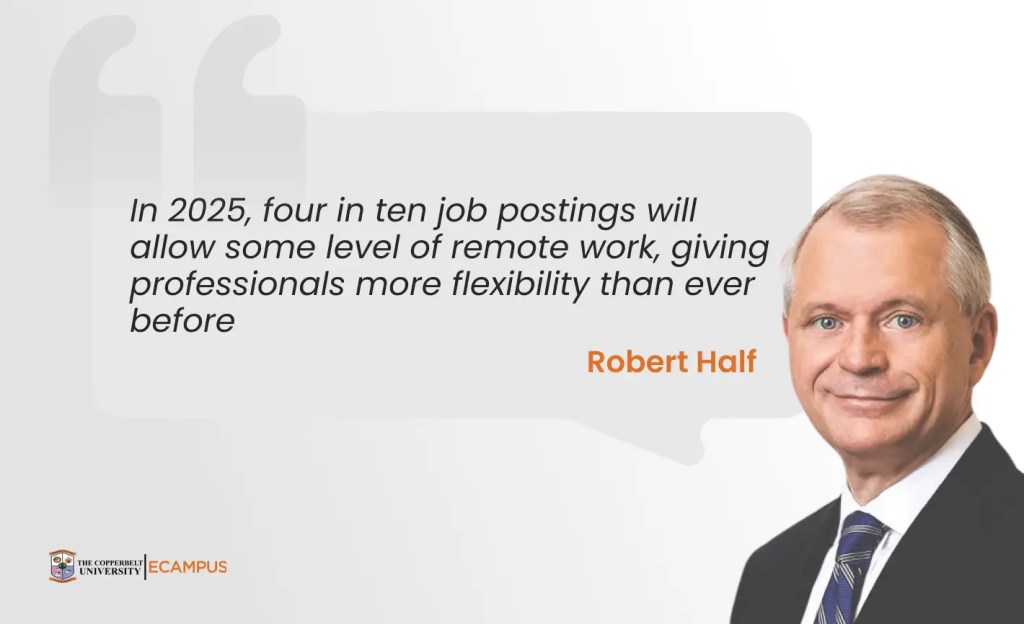
According to Forbes, Most employees value flexibility when they work, with 85 percent highlighting it alongside other benefits like an easy commute and consistent hours. Remember, happy workers are 13% more productive, and unhappy employees cost the world $8.8 trillion in lost productivity. By combining open communication at work with flexible, online study options, like those available at CBU eCampus , you can create a routine that supports both your career and education without compromising your wellbeing.
3. Adopt Smart Study Techniques
Imagine studying after a 9-hour shift. Sitting for hours on end is tempting but ineffective. Instead:
- Use Short, Focused Study Blocks: Techniques like the Pomodoro method (25–30 minutes of focused study followed by a 5-minute break) can keep your mind sharp and prevent fatigue.
- Break Tasks into Smaller Chunks: Review one chapter or a single topic instead of tackling an entire textbook at once.
- Integrate Micro-Learning: Listen to subject-related podcasts, watch short tutorial videos, or read brief articles during your commute or breaks.
- Active Recall: After reading a section, close your book and try to recall the key points from memory. This strengthens long-term retention.
- Spaced Repetition: Review notes and concepts at increasing intervals (e.g., after 1 day, 3 days, 1 week) to reinforce memory.
- Visual Aids: Use diagrams, charts, mind maps, or flashcards to simplify complex information.
- Teach Someone Else: Explaining concepts to a friend, colleague, or even yourself aloud helps deepen understanding.
- Set Clear, Achievable Goals: Define what you want to accomplish in each study session, like completing a specific assignment or mastering a topic.
- Switch Study Modes: Alternate between reading, writing, watching videos, or practicing problems to keep your brain engaged.
- Environmental Tweaks: Study in a quiet, well-lit space and remove distractions like your phone or unnecessary tabs on your laptop.
- Use Digital Tools: Apps like Anki for flashcards, Notion for note organization, or Forest for focus can make studying more effective.
- Self-Reward System: Treat yourself after completing a study block, like a short walk, snack, or a few minutes of social media. This keeps motivation high.
Small, consistent study habits work best for students balancing jobs and studies, especially those working full-time. eCampus offering remote study allows you to complete these sessions wherever you are, whether during lunch breaks at work or from the comfort of home, making consistent study far easier to maintain.
 4. Prioritize Health and Well-being
Balancing work and study without looking after yourself is a fast track to burnout. Many students neglect sleep and meals during exam weeks, which backfires. To stay on top:
- Schedule at least 30 minutes of exercise daily.
- Plan regular social time to prevent isolation.
- Use mindfulness or relaxation techniques to reduce stress.
Leadership burnout statistics show that 56% of leaders experience burnout
, and 43% of companies lose half their leadership teams due to stress. Remote study, such as the type offered by CBU eCampus , can save commuting time, allowing more time for rest, exercise, and family, an essential ingredient for long-term productivity and health.
5. Use Support Systems and Resources
You don’t have to do this alone; support is available at every step. Many universities, including us, provide a wide range of services to help students succeed, including tutoring sessions for difficult subjects, academic counseling to plan your coursework, time management workshops, and access to online learning tools.
Peer support can be especially valuable. For example, you could form a study partnership with a classmate in a similar situation, join a virtual study group where members take turns explaining concepts, or participate in online forums to ask questions, share study materials, and give feedback. Peer accountability can help keep you on track with assignments and deadlines, while sharing tips and strategies can make your study routine much more efficient.
Online programs like CBU eCampus also provide resources, guidance, and community connections to help you thrive academically without compromising your work commitments.

We understand that balancing full-time study with work and other responsibilities can feel overwhelming. It’s not easy, and it’s completely normal to feel that way. That’s why CBU eCampus is designed with your needs in mind, making it as simple and flexible as possible to continue your education without putting your life on hold.
With 100% online programs, self-paced courses, and flexible schedules, you can study whenever it fits your life, early mornings, late nights, or weekends. CBU eCampus also offers full support, including access to experienced faculty, helpful digital tools, and a community of fellow students, so you’re never navigating this journey alone.
Whether your goal is to advance your career, gain new skills, or complete a degree while working, CBU eCampus gives you the flexibility, resources, and guidance to make it happen. We know it can feel like a lot, but step by step, it’s absolutely manageable and rewarding.