

Top 5 Biggest Myths About Online Degrees – Debunked with Real Statistics
Online education is no longer a fringe option, it’s a rapidly growing force in modern higher education. One recent survey found that 83% of hiring managers agree higher education is successfully preparing graduates for the workforce, including those graduating from online programs.
In 2024, 50% of higher education institutions reported that online enrollment is growing faster than on-campus enrollment, and 60% said online classes tend to fill first, showing strong student preference for flexible, digital learning formats.
Despite this momentum, outdated myths about online degrees still persist. It’s time to separate fact from fiction.
Myth #1:
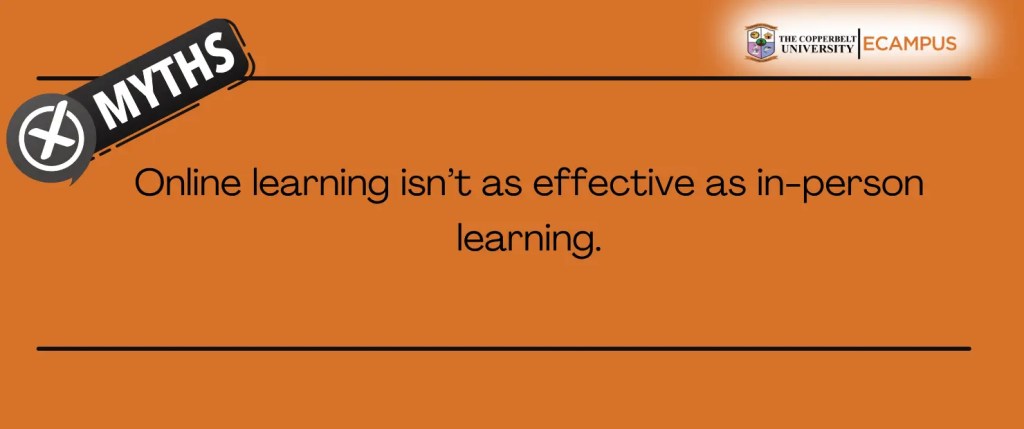
Fact: 82% of recent studies show that online courses deliver equal or even better outcomes than traditional classroom learning. Thanks to major advancements in digital learning platforms, interactive simulations, video lectures, and real-time academic support, online students are thriving across disciplines. Modern eLearning tools allow for personalized pacing, instant feedback, and peer collaboration, all of which contribute to strong academic performance. Many universities now integrate discussion boards, live sessions, breakout rooms, and group projects that mirror the engagement of face-to-face settings.
As a result, learners gain the same knowledge and skills, and often develop better time management and self-discipline, which are highly valued in today’s job market.
Myth #2:
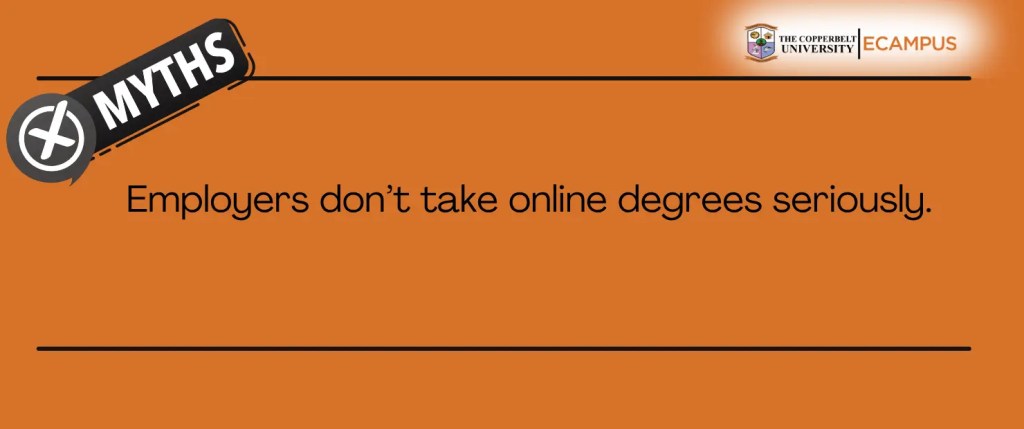
Fact: According to the World Economic Forum, 92% of employers hold a favorable view of online degrees from reputable, campus-based institutions. Additionally, 88% of students believe employers perceive an accredited online degree as valuable or more valuable than an on-campus one (Risepoint, 2024). Employers today prioritize skills and job readiness over how education was delivered. Leading companies such as Google, Amazon, and Deloitte actively recruit graduates with online degrees, recognizing their strong self-motivation, digital proficiency, and adaptability. Many employers also partner with universities to offer online training, reinforcing the credibility of online learning.
This shift reflects growing confidence in online education’s ability to prepare candidates for real-world roles.
Myth #3:

Fact: Not at CBU eCampus. While a recent NPR article pointed out that 83% of online programs cost as much or more than their in-person counterparts, with some institutions adding “distance learning fees”, CBU is committed to offering quality education without these additional costs. Our model is built for affordability. Moreover, many traditional universities add fees for online course materials or technology access, which can significantly increase the total cost. At CBU, students receive the same accredited degree and support services as on-campus students without paying a premium.
This commitment makes CBU eCampus a cost-effective choice for those seeking quality education without financial surprises.
Myth #4:

Fact: Online education now offers a wide range of accredited programs beyond business. After business and nursing, computer science and information technology are among the fastest-growing and most in-demand online degree fields. Other popular areas include education, health sciences, engineering, and social sciences such as criminal justice and psychology.
At CBU eCampus, students can choose from multiple programs aligned with these high-demand sectors. For example, our nursing and IT degrees prepare learners for critical roles in healthcare and technology, two industries experiencing rapid growth and strong employment prospects. This broad variety shows that online education supports diverse career paths, not just business.
Myth #5:
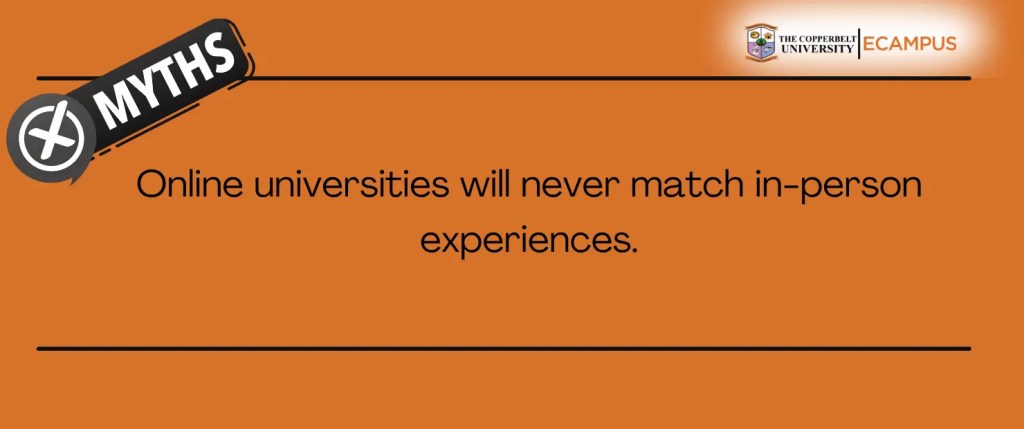
Fact: While the experience differs, it is often just as engaging, if not more so, than traditional classrooms. According to recent surveys, 34% of students report that online learning is more engaging than face-to-face classes. Modern online education leverages advanced tools like video conferencing, real-time chat, discussion forums, and collaborative projects to foster interaction and community.
These technologies enable students to participate actively, ask questions instantly, and work closely with peers and instructors regardless of physical location. Virtual study groups, breakout rooms, and peer review sessions create a dynamic learning environment that encourages teamwork and critical thinking.
Moreover, many online programs incorporate interactive multimedia content, simulations, and gamified learning modules, which can enhance understanding and retention compared to traditional lectures.
In short, online learning is evolving to offer rich, flexible, and interactive experiences that meet, and sometimes exceed, the engagement levels found in physical classrooms.
The Future is Online
The global eLearning market was valued at $227.34 billion in 2023 and is projected to reach $740.46 billion by 2032, growing at a CAGR of 14.02%. Moreover, 90% of online students believe that online education is either comparable to or better than traditional education. (Straits Research, 2024).
The takeaway? Online degrees are not only credible, they’re leading the way forward. At CBU eCampus, we’re proud to be part of this transformation, offering flexible, affordable, and career-ready programs built for the future of learning.