
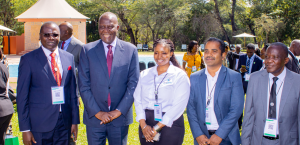
Astria Learning at ZAMREN Week 2026: strengthening the future of connected learning in Zambia
Higher education in Zambia is entering a new chapter. Across the country and the wider region, universities are rethinking how learning can reach more students, fit around work and family, and stay connected to what employers actually need.
At Astria Learning, we believe this shift has to be built on trust, practical infrastructure, and long-term commitment to institutions. That is why our participation in ZAMREN Week 2026 mattered to us. It was not just an event presence. It was a chance to contribute to an honest national conversation about where digital education in Zambia is going.
ZAMREN Week 2026 brought together leaders from academia, technology, research, and policy to explore how digital infrastructure can support Zambia’s development. Officially opened by Honorable Felix Mutati, the event made one point clear: building education systems that are inclusive, reliable, and ready for the future is a shared responsibility.
Supporting institutions through digital transformation
Astria Learning works alongside universities to help them build and strengthen digital learning environments. Our role is to support institutions with the technology, systems, and expertise they need to deliver quality education beyond the limits of the traditional classroom.
Through our eCampus platform, institutions can expand access to learning, support working professionals, and create flexible pathways for students who cannot study full-time on campus.
The Copperbelt University eCampus is one example of what this looks like in practice. Digital learning has opened new opportunities for students pursuing programmes through a more flexible model. That kind of progress reflects what happens when universities, technology partners, and national education networks share a clear goal.
Why ZAMREN Week matters
Digital education cannot grow in isolation. It needs strong partnerships, reliable infrastructure, policy support, and a clear read on what learners and institutions actually need. ZAMREN Week 2026 was a space where those conversations happened honestly.
Sessions across the conference covered ground that matters directly to where digital education in Africa is headed. Topics included:
- Open access as a driver of knowledge commercialization and societal impact
- ICT leadership capacity in higher education institutions
- Measuring the impact of NRENs on research, education, and national development: a case of Mansa College of Education
- From projects to institutions: navigating project-driven growth in African NRENs
- Governing for growth: building sustainable and collaborative NREN governance in Zambia and the region
Taken together, these sessions showed a sector thinking seriously about how to move from individual projects to durable institutions, and from access to genuine impact. These are the same areas that drive Astria Learning’s work. Our goal is to help institutions build digital campuses that are practical, scalable, and designed around students.
Working with regional partners
Sustainable digital education requires regional collaboration, not just local solutions. Astria Learning values the work of partners such as the UbuntuNet Alliance, which connects research and education networks across East and Southern Africa and strengthens the foundation that digital learning depends on.
Partnerships like these improve access to digital resources, raise connectivity standards, and let institutions participate more fully in regional and global knowledge exchange. For students and professionals, that means learning experiences that are better supported and more connected to opportunities beyond Zambia.
Creating pathways for working professionals
One of the most concrete outcomes of digital education is the opportunity it gives to working adults. Many people want to advance their careers, earn qualifications, or move into leadership, but traditional study schedules are difficult to manage alongside work and family.
Through the platforms we support, universities can offer programmes with greater flexibility without compromising academic standards. Online MBAs and law degrees are two examples of how digital learning can serve professionals who are ready to grow but need education that fits their lives.
At Astria Learning, we see this as part of a larger purpose: helping institutions reach learners who would otherwise be left out.
Building trust through long-term commitment
Our presence at ZAMREN Week 2026 reflected a commitment that goes beyond any single event. Zambia’s education sector is changing, and we want to be a reliable part of that change.
Technology alone does not transform education. Real progress comes from listening to institutions, understanding what academic teams need, supporting implementation carefully, and building solutions that last. That is how we try to work.
Astria Learning remains focused on working with universities, education networks, and partners who share the belief that digital learning should be inclusiv